Can Anxiety cause Atrial Fibrillation?

Can Anxiety cause Atrial Fibrillation?

Article Overview

1. Is Anxiety or Atrial Fibrillation?
2. How can you differentiate between Panic Attack and Afib?
3. Diagnosis of Atrial Fibrillation
4. What is the Most Common Cause of Atrial Fibrillation?
5. Can Anxiety Cause Atrial Fibrillation?
6. Relieve Anxiety and Panic Attacks
7. Final Thoughts

Most individuals above 60 years are susceptible to various heart diseases and complications. Atrial fibrillation is a common heart issue that comes with faster and irregular heartbeats among most individuals. We’ve numerous causes of this condition, but most experts have linked it to anxiety.

Anxiety is one factor that triggers Afib because when you have a severe panic attack, it triggers an irregular and high anxiety heart rate 120. In addition, panic attacks resulting from some frightening causes may rush your adrenaline courses, thus resulting in irregular heart rates. Medical experts reveal that Atrial fibrillation comes with an irregular heart rate that causes an irregular heartbeat. Read through the article to understand more about the relationship between anxiety and atrial fibrillation.

can anxiety cause atrial fibrillation

Is Anxiety or Atrial Fibrillation?

Irregular heartbeats may be a symbol of body issues or conditions. When having irregular heartbeats, most individuals are usually confused about differentiating between Afib and anxiety. However, it’d help if you didn’t rule out Afib or anxiety when having any irregular or pounding heartbeat before understanding their differences.

When distinguishing between the two conditions, it’s essential to understand that Afib will occur when you’ve got the two top heart chambers beating erratically. The chambers will always beat out of the usual lower heart chamber’s rhythm. When the condition is at an earlier stage, the heartbeats happen in short bursts and later may become chronic. In addition, these symptoms are usually immediate and sharp. Most patients with this condition have also reported weakness, fatigue, dizziness, and chest pain.

In contrast, individuals suffering from anxiety will also experience these signs and symptoms. However, the Afib symptoms are always more severe than the anxiety due to the condition’s causes difference. Thus, it’s vital to understand the key differences between the two conditions when looking at them.

How can you differentiate between Panic Attack and Afib?

The primary difference between these conditions is their causes. When looking at these conditions, it’s imperative to understand that Afib comes with a particular physical trigger sending numerous electrical impulses through the heart. This surge of electrical impulses causes the heart to get out of its regular rhythm. Additionally, the body may not show any warning signs or external factors to alert you of a possible episode when having these symptoms.

Contrary, when looking at panic attacks, the main source of irregular heartbeats is usually a rush in the adrenaline course in your body. Afterward, the build-up of the psychological pressure will result in physical pain. This physical pain is usually the leading cause of severe panic attacks. Unlike anxiety, which often has clear triggers, panic attacks occur suddenly and unexpectedly and typically only last for a few minutes.

Diagnosis of Atrial Fibrillation

When dealing with any medical condition, it’s usually vital to understand the major cause of the condition. Therefore, we’ve got some screening and diagnosis for the medical experts to understand the main cause of your discomfort. When screening for Afib, medical experts use several ways to establish this condition. These tests include stress tests, blood tests, or chest x-ray. Nonetheless, EKG screening is a common method as its non-invasive, painless, and easy. After screening, the medical physician will understand the cause of the condition; thus, coming up with appropriate ways to treat it.

Also, you need to know more about tips for heart health.

Learn more about 24h ECG Recorder with AI Analysis

Anxiety cause Afib

What is the Most Common Cause of Atrial Fibrillation?

Various studies have linked Afib to numerous causes, but anxiety is the common factor triggering the condition. Most research and studies link most Afib cases to some form of anxiety. Therefore, the appropriate way to lower the chances of atrial fibrillations is by having a proper mechanism of reducing stress, which can trigger anxiety.

However, the most common cause of this condition is usually a damaged heart electrical system or heart structure. In addition, the other causes may include family history, heart diseases, high blood pressure, family attacks, and other factors.

Can Anxiety Cause Atrial Fibrillation?

Most individuals have been asking if a high anxiety rate can cause Atrial Fibrillation. Despite the close relation and similar signs & symptoms, anxiety isn’t the main cause of Afib. Anxiety will only trigger or make Atrial fibrillation episodes scarier.

Having panic attacks leads to interference of the heart rate, making the Afib episodes more uncomfortable and scary. Medical experts believe high anxiety levels will trigger your Afib episodes and even make them worse. Therefore, it’s imperative to deal with your panic attacks to help achieve a healthy heart. Achieving a healthy environment plays an important role in easing your Atrial Fibrillation condition.

Relieve Anxiety and Panic Attacks

Medical experts advise that the most effective way to manage Afib is to reduce anxiety levels and stress. Below are the best ways of managing anxiety and lowering panic attacks:

Managing anxiety

The best way to manage your anxiety is by ensuring that you stay healthy by exercising and taking proper meals or nutritional supplements. Staying healthy with meals and exercise helps maintain your anxiety heart rate 120. Despite exercise being the appropriate way to manage anxiety, you should always focus on choosing methods that help you control and have a steady heartbeat if you’ve got Afib. Thus, you can incorporate breathing exercises, listen to soothing music, and look for appropriate ways of controlling your stressful situations.

Lowering your panic attacks risks

Choosing the appropriate ways to lower your panic attack risks is usually a daunting task. However, it’ll be imperative to look for the appropriate ways to help you cut or reduce the different sources of stress. These methods and mechanisms should help you gain physical, mental, and general body wellbeing. You can even incorporate your hobbies or games to help you reduce the risk of panic attacks.

Learn more about 24h ECG Recorder with AI Analysis

Anxiety and Atrial Fibrillation

Final Thoughts

Atrial fibrillation is a well-known condition that causes irregular heartbeats and high anxiety heart rate 120. Medical experts reveal panic attacks may be a major cause of the condition. However, anxiety occurs with different signs and symptoms. Thus, it’ll be vital for a medical physician to screen the leading cause of the condition to develop the appropriate therapy or control. Notably, the appropriate way to control Afib is to manage your anxiety through various mechanisms.

CPAP&APAP&BiPAP, what is the biggest difference?

CPAP&APAP&BiPAP, what is the biggest difference?

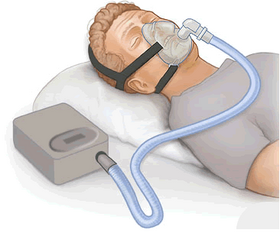
Usually, after apnea detection and examination, doctors prescribe treatment with CPAP/APAP or BiPAP machines.

Generally speaking, there are 3 types of PAP machines: CPAP, APAP, BiPAP machines.

A CPAP machine can deliver a fixed level of air pressure to the airway regardless of whether the user is inhaling or exhaling. 

CPAP is mainly used to treat OSA (Obstructive Sleep Apnea). 

It helps the user keep the airway open and prevent obstruction of the airway during sleep.

An APAP machine (auto CPAP machine) is far advanced than traditional CPAP machines.

It can auto-adjust to deliver a continuous stream of air to the user at an optimum pressure level. APAP is mainly used to treat OSA (Obstructive Sleep Apnea) in a very comfortable way.

It helps the user keep the airway open with minimum pressure levels and prevent obstruction of the airway with enough air pressure during sleep.

A BiPAP/BPAP machine can deliver 2 levels of pressure to the airway, one for inhalation, another for exhalation. 

BiPAP can be used to treat much more diseases, such as COPD (Chronic Obstructive Pulmonary Disease), OSA (Obstructive Sleep Apnea), CSA (Central Sleep Apnea). 

It can not only help the user keep the airway open and prevent obstruction of the airway but also get the user more oxygen and reduce CO2 in his/her bloodstream.

What is CPAP?

 The standard treatment for obstructive sleep apnea is the use of a machine that provides support to keep your airway open while you are asleep. This can be accomplished with continuous positive airway pressure (CPAP).

 In CPAP, a constant flow of pressurized room air is provided via a face mask.


How does CPAP work to treat sleep apnea and what pressure is needed? The pressure setting of this airflow is often determined by a doctor based on your needs.

This may be evaluated as part of a sleep study or can be estimated based on your risk factors, such as your anatomy and weight.

An effective pressure setting is meant to prevent both apnea and snoring and should reduce the apnea-hypopnea index (AHI) below five, as well as improve the other symptoms associated with sleep apnea.

An associated type of therapy is AutoCPAP, or APAP, in which a range of pressures is provided by the device.

If resistance in the upper airway (at the level of the soft palate or base of the tongue in the throat) is detected, the pressure delivered will self-adjust within a prescribed range.

What is BiPAP or Bilevel Therapy?

Bilevel positive airway pressure (BiPAP) is a breathing treatment for sleep apnea and other health conditions that impact breathing.

This treatment is less common than continuous positive airway pressure (CPAP).

Much of a BiPAP machine is the same as the standard CPAP machine.

For example, it still requires a face mask and tubing connected to the device. But there are some differences between BiPAP and CPAP.

Besides, it can be more effective in select circumstances.

The “bilevel” component refers to the fact that there are in fact two pressures, which the machine is able to alternate between.

This allows you to breathe in with higher pressure and breathe out against a slightly lower pressure.

This may help those who are struggling to acclimate to CPAP.

It may improve air swallowing (called aerophagia).

It may also help with claustrophobia.

Bilevel may be required when pressures are higher to improve comfort, especially at PAP pressures that are 15 centimeters (cm) of water pressure or higher.

The pressurized air settings of the BiPAP include:

Inspiratory positive airway pressure (IPAP): This is the pressure the machine provides as you inhale. The BiPAP provides a higher IPAP than the CPAP. So, when you inhale, the BiPAP supports your breath as you take it in.

Expiratory positive airway pressure (EPAP): This is the pressure the machine provides when you exhale. The BiPAP offers a lower pressure that allows you to breathe out comfortably.

Beyond these standard settings, there are a few other available variations. They include:

Bilevel ST: This includes the timed delivery of a breath if the machine detects a pause in your breathing.

These pauses often occur in central sleep apnea.

How Can iBreeze™ BiPAP Machine Help

 S/T Mode (Spontaneous/Timed Mode) & BPM/BUR

 A BPM value (Breaths per Minute) can be set as a backup rate in S/T Mode. If the user’s spontaneous respiratory rate falls below that value, the device will add pressure to prompt him/her to breathe.

 With the BiPAP machine intervening in the breathing, it can help the user inhale and exhale more naturally and easily during challenging conditions. It can also get the user more oxygen and reduce CO2 in the user’s bloodstream.

 Auto Bi-Level Technology to Give Optimal Pressure Levels

 With the EVAPS (Efficient Volume Assured Pressure Support) option chosen, iBreeze auto-BPAP is able to intelligently analyze the changes in the user’s breathing patterns.

 It auto-adjusts the inspiratory positive airway pressure (IPAP) and expiratory positive airway pressure (EPAP) separately, giving the user optimal levels of air pressure on a breath by breath basis. Meanwhile, the auto-BPAP maintains a constant tidal volume the user needs.

Do I Need CPAP or BiPAP?

People with the most common form of obstructive sleep apnea usually start treatment with CPAP or AutoCPAP(APAP).

Bilevel, or BiPAP, is more often used to treat central sleep apnea, which is characterized by pauses in breathing without the obstruction of the airway.

Central sleep apnea is identified as part of a sleep study.

It may occur more often in people who have had heart failure, a stroke, or in those who chronically use narcotic pain medications.

It can sometimes be caused by CPAP itself, but this rarely persists beyond the first few months of use.

The BiPAP device may be set to compensate for these pauses in breathing by kicking in an extra breath as needed.

People with the most common form of obstructive sleep apnea usually start treatment with CPAP or AutoCPAP(APAP).

Bilevel, or BiPAP, is more often used to treat central sleep apnea, which is characterized by pauses in breathing without the obstruction of the airway.

Central sleep apnea is identified as part of a sleep study. It may occur more often in people who have had heart failure, a stroke, or in those who chronically use narcotic pain medications.

It can sometimes be caused by CPAP itself, but this rarely persists beyond the first few months of use.

The BiPAP device may be set to compensate for these pauses in breathing by kicking in an extra breath as needed.

Some BiPAP devices are quite sophisticated, varying the airflow that is delivered to compensate for respiratory and neuromuscular disorders that affect breathing as well.

These disorders include chronic obstructive pulmonary disease (COPD), amyotrophic lateral sclerosis (ALS), and other conditions.

BPAP is ideal for treating patients with respiratory insufficiency and sleep apnea, like COPD (Chronic Obstructive Pulmonary Disease), OSA (Obstructive Sleep Apnea), CSA (Central Sleep Apnea), OHS (Obesity Hypoventilation Syndrome), etc.

In addition to treating the above diseases, BiPAP is also helpful in the following situations:

People who have trouble with CPAP: People who have difficulty breathing out against CPAP pressure may benefit from BiPAP. People more commonly have problems with CPAP when higher pressures are required to keep the airway open.

For example, at pressures higher than 15 centimeters of water pressure (CWP), BiPAP may help to improve compliance among those struggling with CPAP therapy.

People who are hospitalized: BiPAP is a non-invasive treatment for people who are in respiratory distress but who do not wish to be on a ventilator.

How Can iBreeze™ BiPAP Machine Help

More Therapy Modes & Ti-Control

iBreeze BiPAP system offers a wide range of therapy modes to treat different respiratory conditions, severe or mild. In a number of therapy modes, such as in S/T Mode, the BiPAP system allows the user to set the duration of inspiration time (Ti-Control) for spontaneous breathing.

If the duration of breathing in goes outside the set range, the machine can change the timing of IPAP/EPAP delivery to help the user breathe normally.

iBreeze BPAP machine comes with a powerful motor made of ultra-durable materials.

It can continuously provide pressurized air to a user with pressure up to 30 cmH2O (highest in the market).

So the BPAP is ideal for treating patients with respiratory insufficiency and sleep apnea, like COPD (Chronic Obstructive Pulmonary Disease), OSA (Obstructive Sleep Apnea), CSA (Central Sleep Apnea), OHS (Obesity Hypoventilation Syndrome), etc.


With lower expiratory pressure, iBreeze Bi-Level PAP can ensure maximum comfort during NIV (Non-Invasive Ventilation) therapy.

It also provides the patient with advanced ramp settings, expiratory pressure relief, and an integrated humidifier to better get rid of discomfort.

So the patient can become compliant more quickly and maintain long-term compliance.

How to choose a PAP that suits you?

If you wonder which PAP machine would be appropriate for you, start by speaking with your sleep doctor.

After they evaluate your risk factors and sleep study, they can recommend the proper treatment.

Of course, your prescription will clearly state which PAP machine you need.

A Common Cold May Cause Viral Myocarditis

A Common Cold May Cause Viral Myocarditis

have a cold

What Do You Do When You Have A Cold

Most of us don’t think highly of the common cold. Especially some young people who even reject to buy medicine for colds, think that they will be fine after drinking more hot water and taking more rest. Only when they find that the situation is getting more serious and uncontrollable, they may go to the pharmacy to buy some medicine, without even considering going to the hospital for examination.

Then, when they had to go to the hospital, the doctor asked to check the ECG first, why? This is because a number of colds are mainly caused by various bacteria and viruses. The coxsackievirus and echovirus, which can cause colds, will infect and damage the cardioc muscle.

Heart Inflammation: Viral Myocarditis

If the cold is not effectively treated in time, the virus may break through the protective barrier of the heart and cause viral myocarditis. Myocarditis is an inflammation of the heart muscle that will weaken your heart because it decreases the ability of the heart to pump blood normally.

A common cold can usually be cured within a week, but if you experience panic, weakness, chest tightness and other serious symptoms, you should be alert to the possibility of myocarditis, and an electrocardiogram is essential at this time.

viral myocarditis

How to Diagnose Viral Myocarditis?

Myocarditis is often caused by a common viral infection or an immune response to a viral infection.

Symptoms of Myocarditis

The clinical manifestation of myocarditis varies by the extensiveness and severity of the lesion. A few may be completely asymptomatic, while milder cases may present with nonspecific symptoms such as fever, cough, and diarrhea, and severe cases may present with severe arrhythmias, heart failure, cardiogenic shock.

Thus, it is less likely to rely on clinical symptoms alone to diagnose myocarditis. Infection in young people is more likely to lead to severe clinical symptoms and even death due to strong immunity, good health, and overreaction.

Viral myocarditis is easily triggered or aggravated if a person is still working under high stress, overworking, engaging in heavy physical labor or strenuous exercise, or drinking alcohol after infection.

Therefore, it is important to be vigilant enough to identify severe myocarditis early after a general cold, so as to gain more time for treatment.

Patients need to go to the hospital in time to check the ECG, cardiac enzyme test, etc. before they can determine whether myocarditis is present.


Tests to diagnose myocarditis might include:

  1. Electrocardiogram (ECG or EKG). This quick and painless test shows your heart’s electrical patterns and can detect abnormal heartbeats.
  2. Chest X-ray.
  3. Heart MRI (Cardiac MRI ).
  4. Echocardiogram.
  5. Blood tests.
  6. Cardiac catheterization and heart muscle biopsy.


The ECG fingdings in Myocarditis:

  1. sinus arrhythmias. About 10%-30% of patients have sinus tachycardia, and a few patients also have sinus arrest and sinus block.
  2. Conduction disorders often occur in myocarditis, with a relatively high incidence of atrioventricular block (AV) and intraventricular block.
  3. Low voltage QRS and abnormal Q waves are mostly seen in patients with severe myocarditis.

In the acute phase, patients should rest in bed, do not increase the burden on the heart, and gradually increase their activities only after the symptoms and signs have improved and the ECG is normal.

Patients with myocarditis should pay attention to a nutritious, easy-to-digest diet, avoid emotional excitement, take more rest, and give symptomatic treatment with myocardial nutrient drugs if necessary.

24-hour ecg monitor

24-Hour ECG Monitor

  • Continuously monitor your heart activity for all day.
  • AI ECG platform helps to detect abnormal ECGs like Ventricular Tachycardia, A-Fib.

How can I prevent myocarditis after a cold?

To prevent myocarditis, you can do the following.

  1. Allowing enough time to take a rest

Try to get more rest after a cold, do not stay up late, keep a balance of work and rest, and try to reduce the working hours and intensity.

When you feel physically exhausted, take a break immediately, and when the symptoms are serious, you should go to the hospital for examination.

In addition, do not go to the gym, go swimming, running and other strenuous sports.

  1. Timely get a medical treatment and monitor your heart with 24-hour ECG recorder

If you have dizziness, general weakness, chest pain, etc. after a cold, you should go to the nearest hospital in time for a checkup. Also pay attention to your ECG changes at home.

You can check the electrocardiogram to see if there are premature ventricular contractions (PVCs), atrioventricular block, myocardial damage, and if there are abnormalities. Also, you can draw blood to check if there is an increase in cardiac enzymes.

Monitor the body temperature, respiration and pulse rate every day, and give physical cooling measures, oral care and skincare to people with a high fever.

  1. Being in a nutritional balance

Pay attention to a balanced diet: drink more hot water, eat more food high in vitamins, calories and proteins. In particular, eat some food rich in vitamins, such as tomatoes, hawthorn or apples, etc.

In addition, eat some foods rich in amino acids such as lean meat, eggs, fish, soybeans, etc., which are helpful to the autoimmune system.

  1. Exercising appropriately

Before getting well from the cold, pay attention to the intensity of activities. Do not do strenuous exercise so to avoid increasing the burden on the heart, aggravating the condition, and triggering myocarditis.

The Quick Guide to Gas Pain in Chest, Heart Palpitations, Heart Attack

The Quick Guide to Gas Pain in Chest, Heart Palpitations, Heart Attack

Are you feeling pain in your chest? Are your heart palpitations keeping you up at night? If so, it’s important to know that you’re not alone. Millions of people suffer from gas pain in the chest and other symptoms of heart problems every year. But don’t worry – there are things you can do to ease the pain and improve your quality of life.

This quick guide will teach you everything you need to know about gas pain in the chest, heart palpitations, and heart attacks. So read on to learn more!

Article overview

1. When Does Gas Occur?
2. Causes of Gas Pain in the Chest
3. Identify the Signs of Gas
4. Identify the Signs of a Heart Attack
5. Treatments for Gas Pain in the Chest

When Does Gas Occur?

Gas pain in the chest is a gastroesophageal reflux disease, better known as GERD. This condition occurs when stomach acid moves up into the esophagus, the tube that carries food to the stomach. The stomach contents irritate the esophagus lining, causing heartburn, indigestion, difficulty swallowing, and other symptoms.

Gas pain in the chest can be a sign of a heart attack. If you experience gas pain in the chest along with heart palpitations, shortness of breath, and nausea, it is important to seek medical attention right away. These symptoms may show that you are experiencing a heart attack.

Causes of Gas Pain in the Chest

Gas pain in the chest is a common symptom that many things can cause. It can sometimes be mistaken for a heart attack, especially if other symptoms accompany it, such as heart palpitations. Several things can cause gas pain in the chest, including:

  • Eating too fast or eating too much
  • Swallowing air
  • Eating or drinking carbonated drinks
  • Smoking
  • Being pregnant
  • Having a hernia

Gas pain in your stomach can also show serious conditions such as acidosis, colitis, and Crohn’s disease. Pneumonia is another serious condition that can cause stomach pain. If you have a high fever, chest pain, rapid breathing, and are coughing up blood, it is important to seek medical help right away as you might have pneumonia.

Learn more about 24h ECG Recorder with AI Analysis

Gas-pain-in-chest

Identify the Signs of Gas

The most common symptom of gas pain is a painful or burning sensation in the chest. This typically occurs on one side of the body. Other signs include:

  • Feeling bloated after eating
  • Burping frequently
  • Trouble swallowing due to gas in the throat
  • Heart palpitations or rapid heartbeat
  • Pain when urinating

Gas pain in the chest can be a sign of gas accumulation in the stomach, which may cause heart palpitations and even a heart attack. Other signs of gas include burping, belching, and flatulence. If you experience any of these symptoms, see a doctor immediately. Gas pain gets treated with medications, such as antibiotics or antacids. Avoiding gas-producing foods may also help reduce your symptoms.

Identify the Signs of a Heart Attack

Heart attack is the death of a section of heart muscle due to lack of oxygen caused by blocked arteries. This can occur when, for example, fatty plaques build up in the arteries supplying the heart. Three key risk factors contribute to decreased blood flow through arteries, including high cholesterol, smoking, and family history.

The most common heart attack sign is chest pain. We can describe the pain as a heaviness, pressure, fullness, or squeezing sensation. It may radiate to the left arm, neck, or jaw. You may also experience other heart attack signs, including:

  • Shortness of breath
  • Feeling lightheaded or fainting
  • Heart palpitations

Extended Reading: Amazing Heart-healthy Tips

Treatments for Gas Pain in the Chest

There are a few different ways to treat gas pain in the chest. Here are a few of them:

  • Take over-the-counter medications: There are several over-the-counter medications you can take to help relieve gas pain. These include antacids, such as Tums or Rolaids, which will help to neutralize excess stomach acid. You can also try taking a medication that contains simethicone to ease the discomfort of gas pain.
  • Stop gas palpitations with a beta-blocker: Sometimes, gas pain in the chest is actually being caused by palpitations. When this is the case, taking a beta-blocker can help stop the palpitations and reduce the amount of pain you are feeling. Speak to your doctor to see if this is a good option.
  • Relax and breathe deeply: If gas pain in your chest makes it difficult for you to calm down and fall asleep, try lying on your side with a few pillows propping you up. This will help to reduce the amount of pressure on your stomach. In addition, take a few deep breaths and try to relax your body as much as possible.
  • Drink plenty of fluids: If you’re struggling with gas pain, one of the best things that you can do is drink plenty of water. This will help move things along in your digestive tract and reduce the amount of gas built up inside you, which should help relieve some pain.
  • Chew on fennel seeds: Fennel seeds are an old folk remedy for bad breath and upset stomachs, but they can also relieve gas pain in the chest. Chew on a half-teaspoon of fennel seeds before you eat to reduce your discomfort. The flavor won’t exactly be pleasant, but it will help you get rid of the gas in your stomach.

Learn more about 24h ECG Recorder with AI Analysis

What does Afib feel like?

What does Afib feel like?

 Article Overview

1. What is atrial fibrillation?
2. Types of atrial fibrillation
3. Atrial fibrillation symptoms
4. What does atrial fibrillation feel like?
5. How long does it last?
6. Factors causing atrial fibrillation
7. Atrial fibrillation potential complications
8. Diagnosing Atrial Fibrillation

What is atrial fibrillation?

Atrial fibrillation (Afib) is an abnormal heart rhythm in which the upper chambers of your heart quiver or contract.

When you have atrial fibrillation, the standard regular contraction pattern of your heart’s atria (the top two chambers) becomes irregular. This irregularity can block blood flow through the chambers and potentially reduce blood supply to the rest of your body.

If it isn’t treated promptly, the condition can cause life-threatening complications.

Types of atrial fibrillation

Types of atrial fibrillation can include paroxysmal, persistent, and permanent AFib. 

  • Paroxysmal atrial fibrillation.
  • Persistent atrial fibrillation.
  • Permanent atrial fibrillation.

Paroxysmal atrial fibrillation – This is the most common type of AFib. People with paroxysmal AFib have episodes that usually last for a few days but can recur within several weeks or months after they’ve gone away. It’s called “paroxysmal” because it comes and goes. You may not realize you have it unless someone who lives with you sees your symptoms or you notice them yourself when checking your pulse during an episode. Most people experience palpitations, lightheadedness, shortness of breath, fatigue, and weakness as manifestations of this type of atrial fibrillation.

Persistent atrial fibrillation – This is when AFib lasts more than seven days or if it comes back after going away for a while. With persistent AFib, irregular heartbeats can keep you from living your life the way you want to. You may feel tired and out of breath all the time and your heart may not be able to pump as much blood as it should.

Permanent atrial fibrillation – This is the most severe type of AFib. When you have permanent AFib, your heart’s electrical system has been permanently damaged, and quivering or erratic contractions will continue to occur in one or both upper chambers of the heart. However, in some cases, permanent AFib can gradually go away on its own.

Paroxysmal AFib occurs in less than 6 months or at least twice a year. Persistent AFib lasts for more than 6 months but less than two years. Permanent AFib persists beyond 2 years without medical treatment.

Learn more about 24h ECG Recorder with AI Analysis

What does afib feel like

Atrial fibrillation symptoms

  • Palpitations.
  • Heart is beating too fast, too slow, or irregularly.
  • A fluttering sensation in your chest.
  • Shortness of breath.
  • Dizziness or lightheadedness.
  • Fatigue.
  • Weakness.

What does atrial fibrillation feel like?

What does afib feel like? When you feel an episode for the first time, you might notice a skipped heartbeat, and then feel a thud or thump, followed by your heart racing for an extended amount of time. It often feels like rapid fluttering or “flip-flops” inside where your heart should be a sensation most people describe as if they were experiencing “a million butterflies in their stomach.”

Others may feel this way

  • “I feel my heart is going to burst out of my chest”
  • “I feel completely wiped out”
  • “My heart feels as though it is flopping around in my chest”
  • “I feel I having a heart attack”
  • “My heart has started pounding like after vigorous exercise.”

These symptoms may persist and never seem to go away.

How long does it last?

AFib can last for a few minutes, hours, days, weeks, or even months. Some people have only one episode their entire life, while others may have several episodes per year. The Afib episodes can last from a few seconds to a few hours. Although uncommon, some people may eventually develop chronic atrial fibrillation, which means they have persistent atrial fibrillation that lasts for more than seven days or comes and goes.

Atrial fibrillation may come and go, but it’s a lifelong condition for some people. Most people with atrial fibrillation have episodes that last for minutes, hours, or days. In rare cases, atrial fibrillation can become chronic (ongoing). If you think you are experiencing the symptoms of Afib, please consult with your doctor. They will make a diagnosis and help you get the treatment you need.

Factors causing atrial fibrillation

  • Abnormalities of the heart’s structure.
  • Coronary artery disease.
  • High blood pressure (hypertension).
  • Fluid accumulation in lungs.
  • Diabetes mellitus type 2.
  • Medication side effects.
  • Obesity.
  • Old age.
  • Genetic factors.
  • Unhealthy lifestyle.

Learn more about 24h ECG Recorder with AI Analysis

What does atrial fibrillation feel like

Atrial fibrillation potential complications

  • Stroke.
  • Heart failure.
  • Blood clots.
  • Death.

Stroke – If you have Afib and are not taking anticoagulant medication (medications that help prevent blood clotting), your risk of having a stroke is five times higher than for someone without Afib. About 15-20% of people who have a stroke each year do so because of atrial fibrillation.

Heart failure – occurs when the heart muscle can no longer pump blood effectively around the body. This can lead to fluid accumulation in the lungs and ankles and shortness of breath.

Blood clots – occur when blood thickens and forms a solid mass or lump. This can cause various problems, including pulmonary embolism (a clot that travels to the lungs) and stroke. A person with Afib who is not taking anticoagulant medication has an increased risk of developing a blood clot, incredibly if immobile for long periods.

Cardiac arrest – In severe cases, cardiac arrest may occur in people experiencing atrial fibrillation. In this case, it is essential to be aware that rapid intervention from emergency medical personnel is required. If the heart rhythm returns to normal before their arrival, there is no need for CPR or other resuscitation efforts.

Death – The risk of death is also increased in people with atrial fibrillation. This is most often due to a stroke, heart failure, or blood clot. However, it is essential to note that the overall risk of death is still relatively low (less than 5%).

Know more tips about keeping your heart healthy.