Giving birth is no easy feat. But, before you can hold your little munchkin, those nine months will take their toll. That’s why every new mum-to-be needs a couple of pregnancy gadgets that will make the whole process go a lot smoother.
Of course, every woman experiences pregnancy in a different way. Some have bearable months, but others go through a monstrous journey. That’s why a little help can go a long way. If you are interested in checking out some pregnancy gadgets, you’ve come to the right place.
We’ve compiled a list of some of the most practical options that will definitely come in handy. Here is what you can try in 2020.
If you want to make your pregnancy more exciting, you need to hear the baby’s heartbeat. You are getting a practical record tracking device that provides accurate information and consistent readings.
But, most importantly, it uses a medical-grade biocompatible material, which makes it a safe and reliable product. So, just stick the headphones in or enjoy those adorable heartbeats from your built-in speaker.
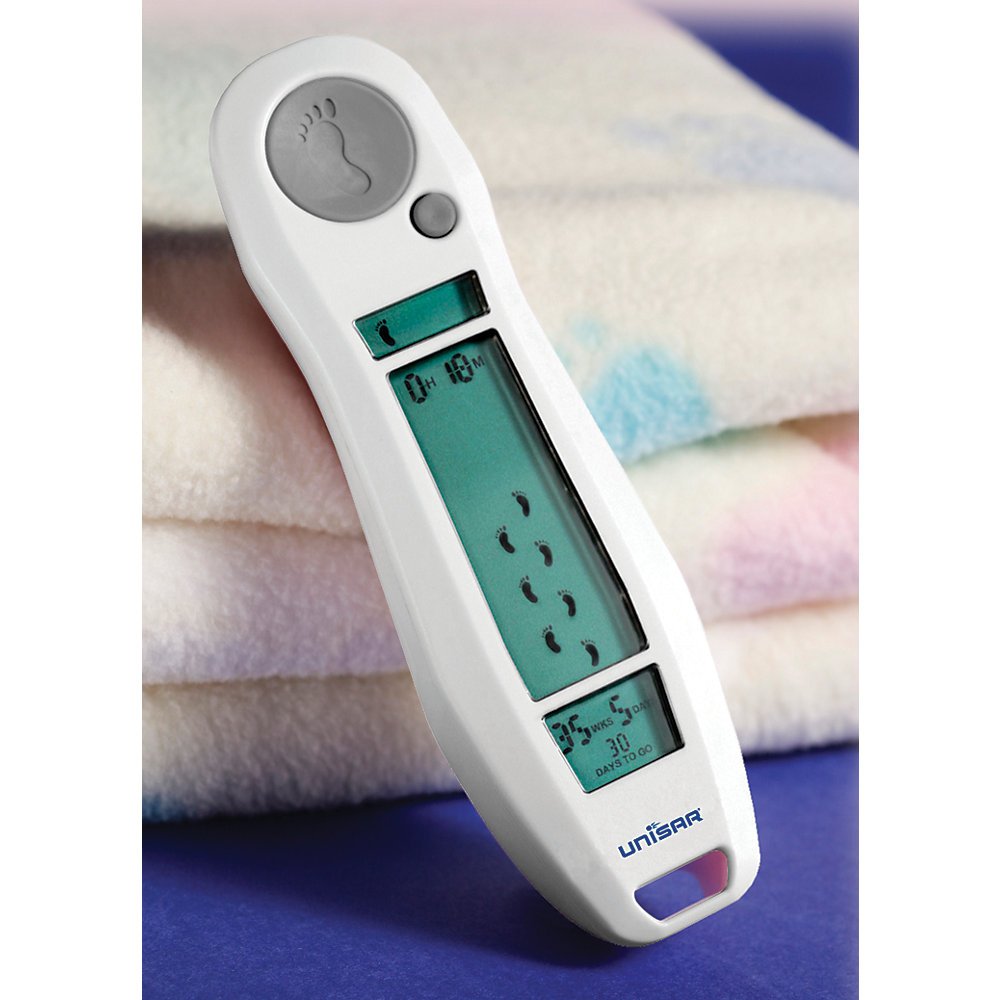
The baby will kick and turn, wobble, and move. But, if you want a first-hand experience of all those fancy acrobatics, then you need a baby kick monitor. Although you can’t actually see it, it is definitely reassuring that your little one is alive and kicking.
If you are a first-time mom, you will find it difficult to distinguish the subtle baby kicks from belly rumblings. So, anytime you are in doubt, you can check the monitor and see the readings. This will become your favorite surreal experience of the day.
Plus, if you are tired of using pen and paper to track the kick counts, this can be a fun option to play around with. Not only is it cheap, but it’s also a cool option that can bring the entire family together.
Pros
Tracks baby movements
Helps count kicks
Practical
Cheap
Cons
You have to push the button every time you feel a kick.
Every mom needs special bonding time with their unborn babies. And what better way to do that than with outside stimulation?
If you want your unborn baby to listen to some soothing music, then you need belly headphones. These gadgets are designed to play music to the womb. You simply stick the buds to the tummy and let it do all the work.
Since the fetus can physiologically hear at 18 weeks, they can respond to sound when they are 25 weeks old. This can become the perfect bonding ritual for you and your child. This innovative device is meant to send out calming signals through the whole body to promote relaxation and calmness. The sound is safe and encourages healthy brain development.
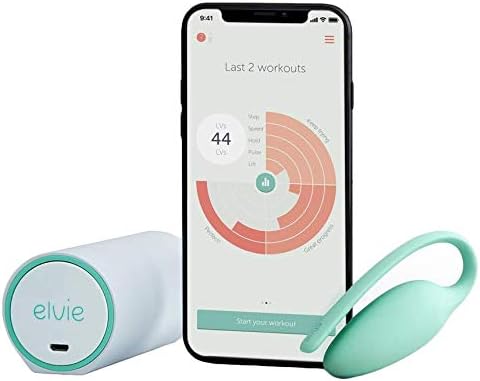
When you are pregnant, your muscles tend to weaken, particularly around the pelvic floor. However, not a lot of women take care of their pelvic floor muscles as they are supposed to. This inactivity tends to push them down over time.
That’s why a lot of experts suggest you do light exercises to strengthen these muscles and relieve any of the possible pressure during childbirth.
With the Elvie Trainer, you can improve those muscles before and after pregnancy. This makes it an excellent option for restoring your bladder control quickly after giving birth.
Besides, most people use it to manage urinary incontinence. With consistent muscle training, users can avoid pelvic problems that may appear when they give birth or are pregnant. You get to stay on track with all the exercises and enjoy a comfortable pregnancy.
If you want to find a way that can beat the morning sickness, you might want to try this one. This sickness band applies gentle pressure to the wrist and releases pulses that reach your brain. These signals can get your gastric rhythm back on track and get rid of nausea.
The key lies in acupressure. Wristbands stimulate the P6 (Nei-Guan) acupressure point, which helps send an electrical current to the brain. Since not every mom-to-be can use medications, it’s a good idea to have a natural alternative. This can help you avoid drowsiness. So, it’s definitely worth a try.
If you want to feel extra warm, you can rely on a smart electric mattress pad to do the work for you. The heat can help warm the sore muscles and reduce the discomfort and pain. Plus, it features dual controls, so both you and your partner can enjoy the comfort of your bedside. With an option such as this, you can add some additional comfort and warmth to your bedtime routine.
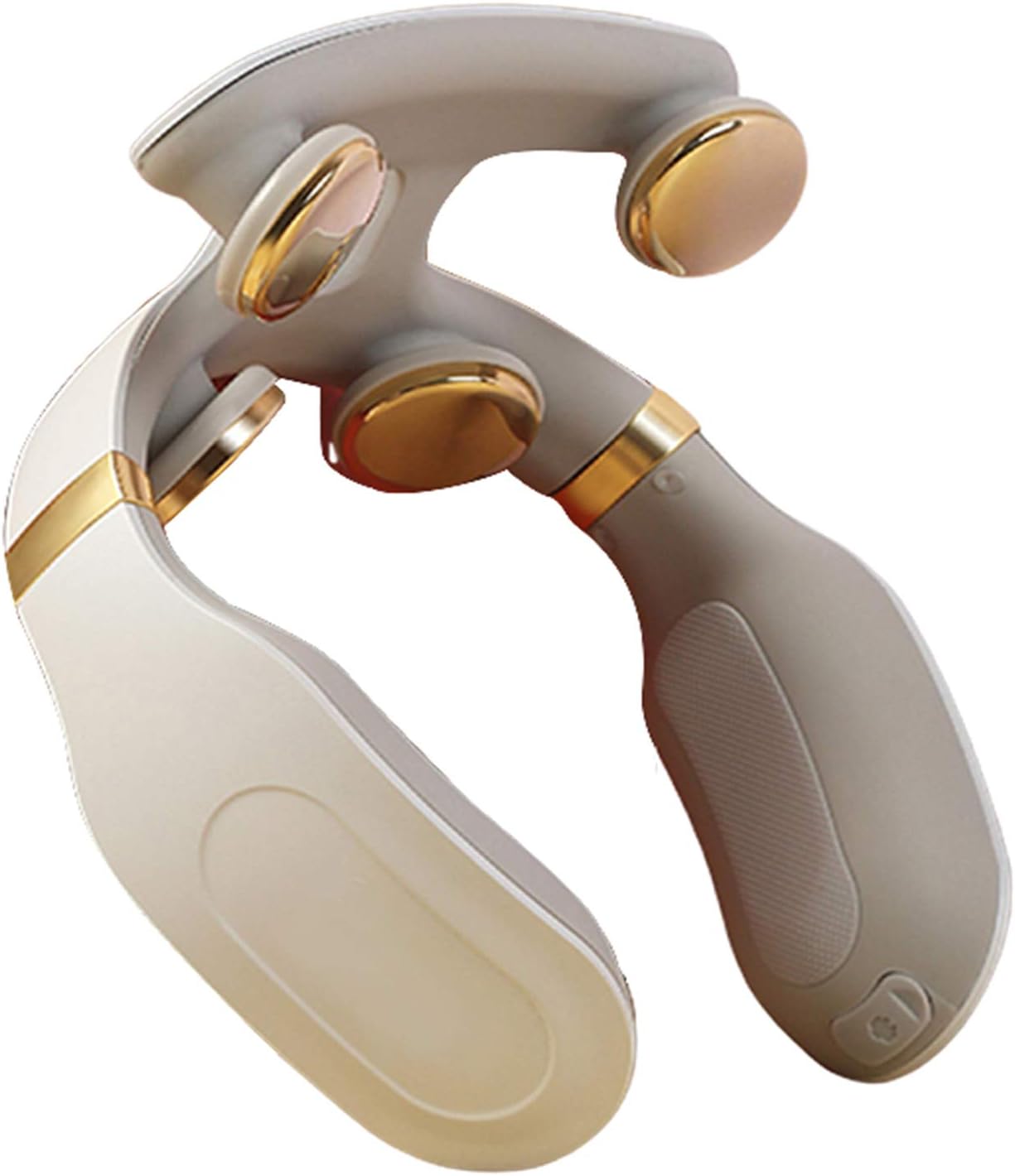
For those who want to relieve neck pain, this massager can do the trick. It comes with four massage heads that will work on your skin simultaneously. The product has been designed to soothe cervical fatigue, which can happen during pregnancy. The battery can remain fully charged for a couple of hours, which is more than enough when you want to knead the neck.
The reason why many women go for this product is that all the massage modes provide some excellent results. You have an auto mode, hot compress, acupressure, knead, and pulse manipulation. Simply play around with the options until you find the mode that best suits your needs.
Pros
Ergonomic design
Affordable
Adjustable tool
Perfect for regular use
4 massaging modes
10-speed levels
Cons
The beeping noise when the battery is dying can be very distracting
Sleeping during pregnancy can be a real struggle. The constant pain, discomfort, and need to urinate makes it a real problem. Many women find it difficult to fall asleep after waking up in the middle of the night. That’s where a smart lamp can help.
These portable devices can turn your bedroom into the perfect soothing place. You can use them to create an ideal environment that will put your mind at ease. With the touch-control, you can adjust the settings, brightness and play with the light modes.
This simple design creates eye-friendly and delicate light that can relax the central nervous system and help you sleep with ease. With it, you can put an end to those sleepless nights.
When you are pregnant, all those minor body aches turn into particularly painful experiences. The belly weight adds a lot of pressure to your feet. So, you will need to massage the feet to get the relief you are looking for.
According to experts, this kind of massage can do wonders for your feet. As long as you avoid adding too much pressure to the reflexology areas that are directly linked to the ovaries and uterus, you are good to go. The points found on the inner and outer side of the ankles, in the hollow spots just below the ankle bone, are not good spots to press. Any other spot, however, can help with the pain and discomfort.
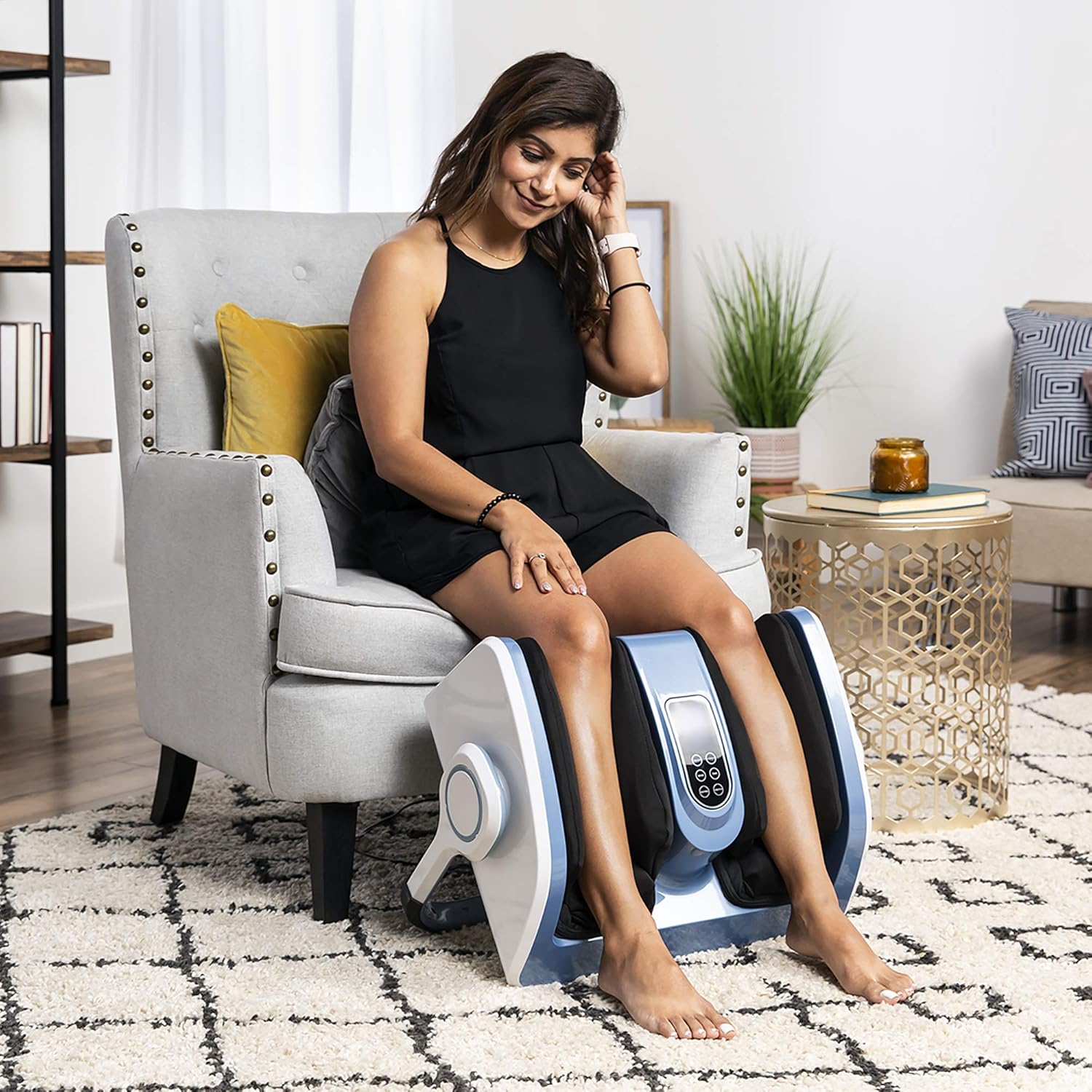
This massager is designed to avoid those tricky pressure spots. Instead, it can be used to massage the exterior leg muscles and boost blood flow. Users can regulate the strength and intensity of the vibration to create a massage that will suit their needs.
The goal is to use shiatsu massage and heat to promote healthy circulation and get rid of the pain naturally. The vibration modes give you an extra layer of security, while the rotating handle provides you with additional versatility.
Pros
Shiatsu massager
Heat option
Adjustable timer
Three modes
Rotating handle
Calf massage
Cons
The vibrations start slow and increase gradually (don’t start with high levels right away)
If you want to enjoy a cup of coffee or tea on your way to your doctor’s appointment, then you need a proper travel mug. Something that will keep your drink nice and warm. This particular product can be customized to your needs.
You can adjust the temperature level, customize the presets, and enjoy your drink at the ideal temperature. The surface is very easy to wash, and the lid is leak-proof. So, you don’t have to worry about wasting your drink on the go.
One of its key selling features is that you can connect the mug to a phone app. This will give you all the customizable options you need, including ways to change the LED color and more.
Pros
Enhances the flavor
Controls temperature and keeps the drinks at the ideal temperature for a long time
Doing chores can put a lot of strain on your muscles, especially when you are pregnant. But, since you will be drinking ten 8 ounces of glasses of water a day when carrying, you will need a device that can lift the weight off your shoulders. Plus, not to even mention that you will be increasing the water intake while you breastfeed to thirteen glasses a day. So, you need all the help you can get.
That’s where a self-cleaning water bottle will make for an excellent pick. With a simple touch of a button, the smart device will clean itself from top to bottom. You can activate the option every two hours and enjoy a stink-free drink.
Because of the insulation, the water will also remain hot or cold for a long time. The product is rechargeable and ideal for day-to-day use.
Every day you will constantly feel exhausted. The pregnancy will keep draining your entire energy. With proper sleep, you can resupply the body with much-needed energy and enjoy the rest of the day.
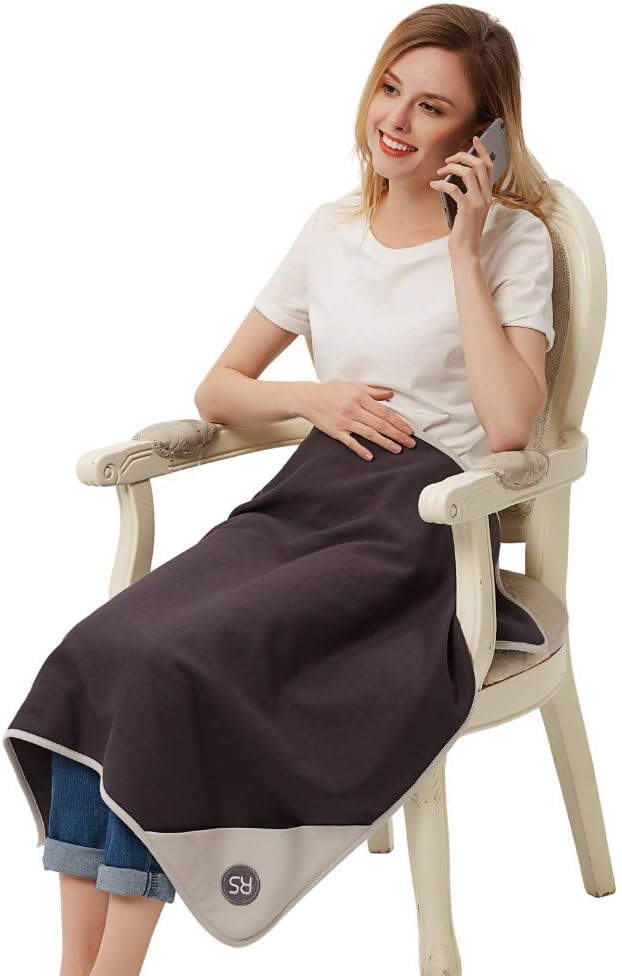
That’s why many women use a smart blanket. It keeps them warm and helps with the discomfort and pain. However, most of the smart blankets out there are not reliable products. They release some level of EMF radiation or signals to the brain that could interfere with the child’s development.
This blanket is different. It features a cotton mobile shielding surface that protects the baby from silver radiation. This makes it a practical option during pregnancy and ideal for the baby’s early childhood. Plus, the cotton surface is super soft and comfortable. You can even use it as a play mat. There is literally so much you can gain just from a simple, smart blanket.
Pros
Comfortable
Radiation protection
Ideal for maternity
Can be used as a playmat
Cons
A little bulky
Final Thoughts
There are never enough gadgets for future moms. But, if you want to enjoy every moment of your 9-month journey, then you need products that will prove useful. You can choose between practical options, like pregnancy headphones or a pelvic floor muscle trainer. Or, you can kick it up a notch and take a self-cleaning water bottle to save you the trouble of washing it yourself.
Each of the options listed here is more interesting than the next. They are innovative high-tech devices that our ancestors never thought would exist. But, here we are with a million options that make our lives more interesting.
Have you tried any of the gadgets on this list? Which one of them worked best for you? Do you plan to add a new option to your list? Let us know what you think in the comment section below.
We are dedicated to developing products with medical-grade accuracy but consumer friendly, finding an easier and more modern way to track your wellness, we believe you can get peace of mind to live a healthier and longer life.
While we sleep (often during a night’s sleep), relaxation of the pharynx muscles usually makes the airway narrow. If this narrowing is not significant, it does not pose a health threat. The highest normal scenario, in this case, can be uniform snoring – a consequence of the vibration of relaxed muscles under the influence of the airflow. However, if the airways are completely blocked, an obstacle arises in the air path, and the sleeping person stops breathing for a while. These stops and breaks in breathing are called apnea episodes.
The sections that follow include an introduction to the different important aspects of obstructive sleep apnea treatment. Obstructive sleep apnea treatment often entails several components and is personalized for the needs of different individual patients. In this article, we will take an analytical look at each of these treatment options and their comparative advantage and disadvantages.
Sleep Apnea treatment options
Positive Airway Pressure Devices (PAP)
Positive airway pressure devices (PAP) are among the most used treatment methods for mild to extreme sleep apneas. They are also usually used in combination with different types of breathing masks.
The mask, which is worn during sleep comfortably over the nose or occasionally over the nose and mouth, provides constant pressurized air that flows into the patient’s throat. This high air pressure ultimately prevents the collapse of the patient’s airway. Pressurized air is delivered through one of the popular airway pressure devices via a flexible tube. The most commonly used machines are Continuous Positive Airway Pressure (CPAP), Variable Positive Airway Pressure (VPAP), Bilevel Positive Airway Pressure (BiPAP), etc. Studies have been done to determine the impact of PAP therapy. It indicated that people with sleep apnea who use their devices regularly feel better and experience fewer signs of the condition due to the reduction in apnea and hypopnea episodes during sleep.
Pros of Positive airway devices
The serious effects of obstructive sleep apnea may be avoided or reversed by CPAP. This medication will help avoid those severe health risks;
Heart disease
Stroke
Diabetes: PAP helps improve the sensitivity of insulin.
PAP Reduce day time sleepiness, which helps improve the ability to concentrate, think, and make decisions.
The risk of developing depression is increased by untreated sleep apnea. PAP can boost the mood, decrease the risk of depression, and increase an individual’s quality of life.
The disadvantage of Positive airway devices
PAP must be used every single night
Dryness in the nose and throat
Mask inconvenience
Neuro-stimulation Therapy
Some individuals with obstructive sleep apnea, despite their best efforts, are unable to use continuous positive airway pressure (CPAP) therapy. For certain people with mild to serious OSA, there are new, clinically tested therapies now.
Hypoglossal Neuro-stimulation (For Obstructive Sleep Apnea): This therapy has been developed to treat patients with mild to extreme OSA who are unable or reluctant to undergo therapy using CPAP. Implant therapy has been designed primarily to provide muscle tone to the tongue’s key muscles, regulate upper airway flow efficiently, and minimize or eradicate sleep apnea substantially.
Neuro-stimulation therapy (for Central Sleep Apnea): To transmit signals to the large muscle that regulates breathing (the diaphragm), implantable systems stimulate a nerve in the chest (phrenic nerve). These signals activate breathing in the same way the neural pathways stimulate breathing. A cardiologist places the implant during a minimally invasive outpatient surgery. The implants are battery-powered systems mounted with two small thin wires under the skin in the upper chest region.
One is meant to do the stimulation, which is the intended therapy. The other is meant to sense the presence/absence of breathing (also called stimulation and sensing lead)
Advantages of neurostimulation therapy
Studies published in major scientific journals found that a significant change or resolution of sleep apnea was achieved by 2 out of 3 patients who obtained the Upper Airway Stimulation system. Significant changes in sleepiness and other impacts on everyday tasks have been made. In addition, there was no or soft snoring for 85 percent of patients. This means that the upper airway stimulation is usually effective for the treatment of mild or severe sleep apnea.
Disadvantages of neurostimulation therapy
This therapy is associated with risk just like other procedures;
Bleeding: Bleeding can sometimes be life-threatening and serious. However, this is relatively uncommon with the procedure.
Infection
Trouble swallowing due to the weakness of the tongue
Tingling sensation in the tongue or numbness.
Surgery
In the past, surgery was often the primary treatment for sleep apnea, but surgery is now less common. To expand the airways, the pharynx and soft palate’s soft tissues are surgically removed, the purpose of which is to eliminate obvious anatomical defects of the ENT organs, increase the lumen of the upper respiratory tract, and the rigidity of the soft tissues of the pharynx. However, this option is recommended only in the most extreme cases. Surgery is also a possible choice when significantly enlarged tonsils are the cause of breathing difficulties.
In order for the surgical treatment of sleep apnea to have a positive effect, it is very important to have a thorough preliminary examination with the determination of the number of disorders and their severity as well as predicting the consequences.
The most commonly used surgical procedure for the treatment of sleep apnea are;
Uvulopalatopharyngoplasty (UPPP): This surgery removes soft tissue from the back of the throat and palate, thereby causing the airway to be wider at the opening of the throat.
Nasal surgery: This surgery is aimed at fixing nasal problems, e.g., deviated nasal septum.
Mandibular – maxillomandibular advancement surgery: This addresses any facial issues or blockages of the throat that play a role in sleep apnea.
Advantage of sleep apnea surgery
It is often an alternate option in cases where a patient couldn’t tolerate CPAP.
If the surgeon really understands the procedure and locates the origin of obstruction, surgery usually proves very effective for treating sleep apnea.
Disadvantages of sleep apnea surgery
It is more effective in treating snoring than treating obstructive sleep apnea. Thus the surgery may stop snoring while the sleep apnea may still persist.
A patient may still likely need CPAP after surgery.
Nasal Decongestant
In cases of snoring or mild sleep apnea, nasal decongestants are more likely to be successful. Surgery is an efficient means of enhancing airflow through the nose in some situations.
Improving the nasal tract’s patency through the use of decongestant may boost sleep quality, AHI, and the level of oxygen saturation during sleep.
Examples of over the counter nasal decongestant are Allegra (pill), Claritin (pill), and Zyrtec (pill). Other prescriptions are Astelin (spray), Beconase (Spray), Dymista (Spray), Nasonex (Spray), etc.
Advantage of Nasal decongestant
Nasal congestant are often more effective for apneas caused by the congestion of the nasal airway either due to allergies or other seasonal reasons. They are quick and can give short term solution to sleep apnea that is related to snoring.
Disadvantages of Nasal Decongestant
It is more effective in the treatment of snoring than in the treatment of sleep apnea.
In some cases, it doesn’t provide a permanent and long-lasting treatment for sleep apnea.
Weight Loss
Obesity and excess weight are one of the motivating factors of Obstructive sleep apnea (OSA) about 70 % of people with OSA are overweight or obese. They are generally encouraged by their health care providers to lose weight. The degree of fat deposit in the back of the throat and tongue can determine how easily airflow through the airway. Weight loss can help reduce this as well as any abnormal girth that affects the capacity of the lung.
Surprisingly, few systematic studies have been performed about how successful weight loss leads to less snoring and decreased cases of sleep apnea and hypopnea. Nevertheless, practitioners’ personal observation has been the report of significant changes in both snoring and OSA in patients who had undergone weight loss.
Therefore, weight loss in combination with sleep apnea therapy is one of the steps to reduce the symptoms and severity of OSA and improve breathing parameters.
Advantages of weight loss for combating sleep apnea
Weight loss can help cut down on OSA and other related symptoms and also improve cardiovascular health and overall quality of life.
Loss of about 10 – 15 Percent of body weight can lead to a 50% reduction in OSA severity.
Disadvantages of weight loss for combating sleep apnea
Weight loss alone is usually not sufficient to eradicate the symptoms of sleep apnea. It often as to be used in combination with some other sleep apnea therapy.
Weight loss is sometimes considered a potential cure (or home remedy) for Obstructive sleep apnea.
Oral Appliances (Dental Appliances)
Oral sleep apnea treatment appliances continue to rise in popularity as public understanding increases that oral appliances are an important first-line treatment for many patients suffering from sleep apnea.
These products, much like a sports mouthguard or an orthodontic brace, are worn in the mouth when you sleep. These dental devices help to hold the lower jaw forward to keep the airway open and deter the tongue and muscles in the upper respiratory tract from weakening and blocking the airway. The two common device category are;
Mandibular advancement devices (MADs)
Tongue retaining devices (TRDs)
Dental appliances are often recommended for patients that have severe OSA or unable to tolerate the use of PAP devices.
Advantages of Dental Appliance Therapy
This therapy is non-invasive and also effective, so people like it for many reasons.
It is comfortable
It is easy to wear and use.
They are usually portable devices that are convenient for travel.
Disadvantages of Dental Appliance Therapy
They often require that they should be custom made by the dentist to avoid complications.
They often can not just be purchased over the counter.
In some cases, in other to be more effective, they still have to be used in combination with other therapy such as CPAP.
Positional Therapy
A risk factor for sleep apnea is lying on your back. Gravity pulls the tongue and other tissues down and into the airway in this position, alleviating the likelihood of disordered breathing. In some patients, moving to another sleeping position may prevent this constriction of the airway and may function in combination with other OSA therapy forms. By simply learning to sleep on their side, such individuals may remove or minimize airway blockage.
One simple technique to force side sleeping involves stitching the back of a shirt with a tennis ball, which prevents the patient from lying in a supine position. Although this is successful in the short term, few individuals adhere to this method.
Advantages of Positional Therapy
Positional therapy works in patients that develop sleep apnea while lying on their backs.
It can be a very effective treatment method when combined with CPAP therapy.
Disadvantages of Positional Therapy
Positional therapy works only in mild cases of sleep apnea.
In severe cases, the airway still collapses irrespective of the position assumed by patients during sleep.
Surgery in children
Many kids have swollen tonsils, or adenoids, or both, with snoring or sleep apnea. Sleep breathing disorders can be treated by surgical removal of these tissues in about 75% of those cases.
As the initial treatment of choice for sleep breathing problems in infants, the American Academy of Pediatrics has recommended the removal of tonsils and adenoids.
Advantages of this meht0od in children
Removal of large adenoid or tonsils in children often reduces or eradicate sleep apnea.
It is easier to diagnose and decide on surgery in children.
Disadvantages
The disadvantages of this procedure are the associated risk that follows a surgical intervention.
Difficulty in breathing from swelling after the surgery
Possible infection from surgery
Other Related Treatment options
A significant step in treating sleep apnea is abstinence from alcohol before bedtime. Alcohol and sedative drugs induce tissue slackening in the region around the airway, leading to an increased airway collapse and OSA risk.
Relative to former smokers and individuals who have never smoked, active smokers have an elevated risk of obstructive sleep apnea.
In one study, it was reported that many individuals who obtained cardiac pacemakers showed an improvement in their sleep apnea. However, no major organizations have approved this kind of therapy. More research still needs to be done to validate this treatment method.
Another device that can help an individual with obstructive sleep apnea is continuous pulse oximeter. The oximeter detects an individual oxygen saturation level along with the heart rate. When breathing becomes disrupted during sleep as it may happen in obstructive sleep apnea, the oxygen level in the blood drops and the oximeter helps to detect the desaturation in oxygen level before leading to comorbidities like cardiovascular disease and GERD.
Pros and Cons of these alternative treatments
These various treatment options, such as abstinence from smoking and alcohol (lifestyle change), are more effective when used in combination with other treatment therapy. However, lifestyle change is always advisable to prevent the recurrent appearance of sleep apnea and increase other treatment methods’ effectiveness.
We are dedicated to developing products with medical-grade accuracy but consumer friendly, finding an easier and more modern way to track your wellness, we believe you can get peace of mind to live a healthier and longer life.
One condition you should be mindful of when you are a pilot is hypoxemia and hypoxia. This isn’t something minor like airsickness; it can damage some major organs in your body if you don’t get it treated ASAP. In this post, we will look at what hypoxemia and hypoxia are and how to prevent them.
What is Hypoxemia?
Hypoxemia is caused by having low blood oxygen levels. Whether you have breathing issues or due to another cause such as piloting, hypoxemia can be serious and lead to hypoxia.
What is Hypoxia?
Hypoxia tends to come after hypoxemia. This is a condition that is caused by your body tissue not getting enough oxygen. When this happens, it can lead to the brain, lungs, and other parts of your body being damaged.
When you have hypoxia, your skin may change color and you may feel disoriented. It can be hard to breathe and you may sweat or feel anxiety. Should you suspect you have hypoxia, it is important for you to seek help ASAP. Hypoxia can have long-lasting effects, and it can be fatal.
If you feel the urge to cough, avoid doing so. This can cause stress on your lungs and lead to damage. It’s important to remain as calm as possible when seeking help for hypoxia.
When you seek help, you will go to the hospital and get your oxygen level checked out. You may have oxygen pumped into you until your levels go back to normal. Sometimes, you may be given an inhaler or another medicine that helps with your oxygen levels. Hypoxia treatments can range from being quick to involving complex machinery, depending on how severe it is.
What Can Cause it?
Hypoxia can happen at any age. In childhood, it could be due to asthma issues. If you have other issues like COPD, bronchitis, pneumonia, and fluid in the lungs, it can lead to hypoxia as well.
Some medications that can make it hard for you to breathe can lead to hypoxia as well. This includes strong painkillers, so talk to your doctor before you have it. Heart issues and anemia can lead to hypoxia as well. While this is very unlikely, being poisoned by cyanide can lead to hypoxia as well.
If you have asthma, it’s important for you to take care of yourself. Eat right, exercise, and avoid anything that triggers it. In addition, it’s important for you to have triggered as well.
Aviation and Hypoxia
When you are a pilot, you are susceptible to hypoxia. The most common form you may encounter is known as altitude hypoxia. This tends to happen because you are flying in an aircraft that is not pressurized.
As you go higher in the air, the air molecules start to spread. This causes the partial pressure to go down. What does this mean? Basically, when you go high enough, it’s difficult for your lungs to transfer oxygen to your body.
If you are flying in an aircraft that is not pressurized, it’s important for you to take precautions and have backup oxygen in case if a pressurized aircraft starts losing pressure. All commercial aircraft will have supplemental oxygen in case something happens.
Sometimes, you may not experience a reaction. This is due to the fact that there are several factors that will determine how you react. For one thing, it can be due to how fast you ascend and how long you spend in the air. It can be determined by what physical activity you are doing when you’re in the air, as well as the temperature in the air. How fit you are can determine your reaction, too.
Monitoring Your Oxygen Levels
Whether you’re a pilot or you have a condition that makes it possible to be exposed to hypoxia, it’s important to monitor the oxygen in your blood. This can help you figure out whether or not you are at risk, and allow you to get help as soon as possible. There are many different monitoring devices to help measure your levels, from fitness watches to O2 rings.
One O2 ring you should consider is the Wellue O2 ring. This is a ring you put over your finger, and it monitors your oxygen levels for up to 16 hours on a single charge.
It is meant to be an overnight tracker, but it can also be worn on a long flight, too. When you are flying, having a ring over your finger can ensure security. Should your oxygen levels drop below a certain level, the ring will alert you through vibration.
Like any other fitness tracker, you can use an app to keep track of your stats. You can also share your reports with your doctor. With that said, you do not need to have a smartphone to make it work, which is important when you’re high up in the air. It’s affordable, yet is made from the tech that will deliver accurate readings every time of day.
Should your levels go down, you will get an alert. You may want to descend and get some oxygen ASAP in that case.
Conclusion
Hypoxia is no joke. Your body needs oxygen to live, and as soon as it’s not getting enough, it can start shutting down. In some cases, not treating hypoxia can lead to various health problems along the way. When you are a pilot or when you have health issues, it’s important to keep track of your blood oxygen levels and don’t hesitate when they drop below a certain level to seek help.
As mentioned, it can happen to airline pilots, but anyone in any career can experience it as well. Before you fly high in the air or before you do anything major while having breathing conditions, get yourself an oxygen monitor. You will be glad that you did whenever you are able to monitor your blood levels and get help as soon as your levels drop.
We are dedicated to developing products with medical-grade accuracy but consumer friendly, finding an easier and more modern way to track your wellness, we believe you can get peace of mind to live a healthier and longer life.
For children, asthma can be tough. Having smaller airways compared to their adult counterparts can cause some serious issues. By testing your child’s blood oxygen levels, you can help to manage their asthma. One way is through pulse oximetry. Let’s look at what it is and how you can monitor your kid’s oxygen levels.
What is it?
This is a quick, painless test that measures the level of oxygen saturation, or blood oxygen levels. It tends to be a clip device that is attached to a certain part of your body, with one area being your finger. It can measure how far your body is carrying oxygen.
Pulse oximetry is used to monitor the health of those who have breathing issues such as COPD, anemia, heart issues, asthma, and other issues.
In the case of a child with asthma, pulse oximetry can tell if the child needs help breathing. It can also help monitor your child after they take some medication. This can ensure you that the medicine is working. If the levels change for the better, great. If they don’t change, your child’s doctor may need to adjust the medication.
Asthma In Children
Childhood asthma can be quite serious. This is prevalent in kids who are 5-11, and it can lead to coughing, wheezing, and trouble breathing. It can lead to a disinterest in physical activities as well. For some kids with asthma, it can be mild for the most part, but then start acting up in a severe episode.
It’s not always a child who just wheezes a little; it can be severe. In some cases, the child may be unable to speak, and there may be trouble breathing. In some cases, something more than a quick relief inhaler may be needed. If your child has any issues, taking them to a doctor as soon as possible is important.
Pulse Oximeters at Home
Monitoring your child’s oxygen is important, but until recent times, only a doctor could allow you to do so. However, these days, there are oxygen readers you can use on your child at home to monitor their oxygen levels.
If the reading is 95 percent or higher, it is a healthy reading. If there’s anything below that, there may be an issue in your child. Sometimes, the levels can drop a little below average, but if that’s temporary and happens only occasionally, that should not be an issue.
One way you can read your child’s oxygen levels is through an at-home oximeter. Let’s look at two of them and you can decide which is better.
Two Oximeters for Your Child
If you are shopping for an oximeter for your kid, there are several options for you to choose from. Let’s look at a couple.
Traditional Kids’ Oximeter
You can find quite a few oximeters that are like this. They are good if you want to read a child’s oxygen levels. Whether it’s before bed or before doing something that requires intense physical activity, a kids’ oximeter can help you.
With a traditional oximeter, they are a little limited. They clamp on your child’s fingers, which doesn’t hurt usually, but it can be problematic if your child is sensitive. Not to mention, some of them may have inaccurate readings. This especially applies if your child is antsy, which most kids are.
Finally, they tend to use AA or AAA batteries, which can drain quickly. If you need to measure your child’s levels and you don’t have any, that can be an issue. One consideration you should make is to purchase the
For some people, the traditional O2 meter just doesn’t cut it. For one thing, maybe your child’s oxygen levels tend to dip under a certain level every night. For another thing, you may want something more accurate.
One oximeter you can check out is the Wellue O2 Ring, or KidsO2. This is an oximeter that is a ring, meaning it goes over your child’s thumb and stays there until it’s taken off. This ring is meant for kids up to 10 years old, which is the most vulnerable age range for asthma issues.
One feature of the KidsO2 is that it will alert you and your child when the levels are lower than usual. It will send an audio reminder through its app, or on the device itself. You can adjust how loud the alarm is, too.
Unlike other oximeters that tend to be uncomfortable, the KidsO2 Oximeter is quite comfy. For your child, it’ll feel like they’re wearing nothing at all. Kids can be picky about these things, so it’s nice to see an oximeter that works for them.
While this oximeter works with or without a phone, there is an app that you can use to track stats. This app works for your phone, PC, or Mac. It is easy for you to share with your doctor when you are using it. If you don’t want that, the O2 ring does have a built-in memory so you don’t have to sync it to any app. Sometimes, simple is better.
Finally, we should mention that this ring has a rechargeable battery. Some oximeters use traditional AA or AAA batteries, but this has a rechargeable battery built into it that provides up to 16 hours of battery life.
Conclusion
If your child has asthma, monitoring their oxygen levels through an oximeter is important for their health and for your peace of mind. Should the levels drop continuously, it can lead to various health issues that can sometimes have long-term consequences for your kid.
Oximeters can make it easy for you to monitor your child’s oxygen levels and seek assistance should their levels drop below average.
With that said, a home oxygen meter is no substitute to talking to a doctor about any health concerns you may have. Here’s hoping you and your child have a happy and healthy year.
We are dedicated to developing products with medical-grade accuracy but consumer friendly, finding an easier and more modern way to track your wellness, we believe you can get peace of mind to live a healthier and longer life.
Vital signs are the most common unit of measurement that medical professionals routinely use to monitor essential body functions’ well-being. Vital signs are used to give a sense of direction for the treatments and therapy that patients may need.
There are five vital signs, namely: pulse rate, respiratory rate, temperature, and blood pressure. In cases of medical emergencies, knowing these parameters on hand can help both the patient and his entire health care team in preparing and providing the right medical intervention that can potentially save their life.
Here are three of the many ways that a portable all in vital signs device like the Wellue Checkme™ Doctor Vital Signs Monitor can help a medical professional:
Different health care settings
Health care professionals are not only found in hospitals. They are also present in universities, clinics, schools, communities, and even with their patients at homes. In different health care settings, they are expected to still assess thoroughly and perform a provision of health care with the tools they have. No matter how limited. When instead of using five different tools to assess each of the five vital signs, you carry one, then you can make room to equip yourself with other things that may help like syringes, medicine, gloves, etc.
Given the fact that there are five vital signs, there are also numerous instruments that need to be available to measure and correlate them. With the availability of an accurate and portable vital signs monitor, not only can it increase efficiency and decrease opportunities for cross-contamination, but it can also be a stress reliever. It removes the need to carry and provide too many instruments in the healthcare provider’s shoulders, pockets, and hands. Thus, allowing their hands and minds more freedom to attend and focus on providing patient care.
Work efficiency
The doctor-to-patient ratio or nurse-to-patient ratio differs and may vary according to which hospital ward one is assigned to. During peak hours, this can rise and amount to large proportions, such as 30:1 in some of the worst settings. Then when vital signs monitoring is queued at different times for different patients, it will help to have a portable device ready in your pocket. An example of this scenario is when a patient is assigned to a room that lacks equipment. By having an all-in-one portable vital signs device like the Wellue Checkme™ Doctor, it will be easier for the health professional to be updated on their patient’s current well-being. The Checkme™ Doctor has functions like Infrared Thermometer, ECG/EKG, and Oxygen Saturation to name a few that would help in monitoring the patients. Every minute saved allows for more human-to-human interaction, which lessens the superficiality of health care and allows the doctor to treat the patient instead of the monitor.
Efficiency also involves working smarter instead of harder. Suppose the medical professional finds themselves in a situation where there is a lack of equipment, and therefore no vital signs equipment available for each individual patient, a portable vital sign device designed to be wireless (almost), then it would be easier to clean and therefore would promote health by preventing cross-contamination. The center for disease control defines cross-contamination as the spread of germs from one surface to another by contact. For example, when the stethoscope is used to assess an infectious patient and then used again without disinfection towards an immunocompromised patient, cross-contamination occurs and leads to a prolonged hospital stay for those affected. Handwashing remains the single most effective way to prevent the transfer of diseases, but healthcare professionals specifically, a portable vital sign device with less surface area that can be disinfected easily can help the whole healthcare team in breaking the chain of infection.
Rapid response
During emergency situations, assessment always goes first. Typically, you first check for the signs you can observe, like the level of consciousness and danger. Next, to check for beyond what you can observe, you will need tools. This is to measure things like the H and Ts of advanced cardiac life support. Using a portable vital sign device like the Wellue Checkme™ Doctor can give you spread out information regarding the patient’s respiratory status and saturation, heart rate, blood pressure, temperature, and lead I and II ECG in a matter of minutes, if not, seconds. Having a portable vital sign device can also mean being able to quickly assess the patient that is being monitored by simply and quickly checking the trend of the patient’s health through a mobile app or through PC software.
In addition to the five vital signs, having a portable ECG would be an advantage. Cardiovascular diseases remain to be the leading cause of mortality worldwide (WHO, 2018). For most, it remains unattended, undetected until it is worse because it doesn’t interrupt activities of daily living unless the heart is already heavily compensating. For underlying causes of chest pain and abnormal heartbeat, an electrocardiogram is the most common diagnostic from which the doctor will determine the treatment and diagnosis of their patient. This painless and non-invasive test measures your heart’s electrical activity. It gives the doctor the information they can use to tell whether or not their patient’s heart cells are being damaged, possibly due to ischemia (reduced blood flow to heart muscles).
Health promotion is defined by the Ottawa charter as the empowerment, and therefore equipment and education, of people to increase control and to improve their health. Health is, therefore, seen as a resource for everyone and not an objective of living. Therefore, being proactive in your health is an upgrade in your quality of life. Not only can a portable vital sign device help health care professionals, but it could also help patients who need frequent monitoring at home. Devices like the Wellue Checkme™ Doctor have a built-in rechargeable battery that can monitor the SpO2 and pulse rate of the patient for up to 10 hours. Just make sure that you are guided by evidence-based data and your personal health care professional.
Daniele M (2012) The Nursing Management of Cardiac Arrest in the Emergency Departments: The Experience of Cuneo. 1: 138. doi:10.4172/scientificreports.138
We are dedicated to developing products with medical-grade accuracy but consumer friendly, finding an easier and more modern way to track your wellness, we believe you can get peace of mind to live a healthier and longer life.