Choose the One from All- An Objective Review of EagleView Ultrasound

Choose the One from All- An Objective Review of EagleView Ultrasound

This is an objective review of EagleView Ultrasound by Wiley, a physician specialized in pulmonology and critical care. To choose a suitable device for POCUS, he compared some ultrasound brands, such as Clarius, Butterfly, etc. Let’s see what he said as following:

POCUS Introduction

Point of care ultrasound (POCUS) is now a game changing survey for patients in emergency department or critical care unit. The traditional ultrasound machines provide good quality of images but they are heavy and expensive. Especially in the era of COVID-19, a portable, easy-to-use and easily disinfected ultrasound machine is a must for physicians.

Choose the one from all PORTABLE ULTRASOUND MACHINES

To choose a suitable device for POCUS, I did a review chart of the brands and portable devices in the market. As a physician, both convex probe for abdominal survey and linear probe for vessel evaluation are necessary. Sector probe could be replaced with convex probe in critical care condition so that is not so important. Wireless feature is necessary in the COVID-19 era. Price is also an issue if your hospital cannot buy one for you.


Comparison of Portable Ultrasound Machines on the Market.

Wellue Eagleview SonoQue LeSono Calrius GE Vscan Philips Lumify Butterfly Alpinion
Transducer                
Dual V V     V      
Convex  V V V V V V   V
Linear  V V V V   V   V
Sector   V   V   V V  
Signal transmission Wifi Wifi Wifi Wifi Wifi Cable Cable Cable
Price range (USD) 3200 3200 4000 4900 4495 7000* 1999* 6000

Due to the limited ability to review, some companies may not be included.

Comparison of the Convex Probe for POCUS Use.

Model EagleView C5 Vscan air LeSono LU700C Lumify C5-2 IQ/IQ+ C1-6
Company Wellue

(SonoStar)

Clarius GE Leltek Philips Butterfly Network Alpinion
Made in? China Canada US TW US US Korea
Array Dual Convex Dual Convex Convex Phased Convex
Frequency

(MHz)

3.5/5 2-6 2-5 2-5 2-5   1-6
Max depth 30 40 24 18 30 30 30
Modes              
B-mode V V V V V V V
M-mode V V V V V V
CF V V V V V V V
PD V V V   V V
PWD V 1000 USD V   US and Canada only V
Size(mm)              
Height 156 164 131 187 50 163 150
Length 60 78 64 74 30 56 62
Width 20 38 31 40 20 35 25
Weight(gm) 260 392 205 388 135 309 175
Signal transmission Wifi

802.11g

Wifi

802.11n

Wifi

802.11n

Wifi

802.11b/g

Cable Cable Cable
Charging Wireless Battery charger Wireless Wireless USB Wireless USB
Scan time 4 hours 60 min 50 min 4 hours USB 2 hours 5 hours
Price 3200 4900 4495 4000 7000 1999 6000
Warranty 1.5 years 3 years 3 years ? 5 years 3 years 1 year
Annual fee No No No No 199×12* 420 No
Additional feature Dual head   Military drop   SonoCT 4-foot drop compatibility

CF: color flow; PD: power Doppler; PWD: pulsed-wave Doppler.

*199USD per month for rental, including machine and pad.

Eagleview Ultrasound Scanner Review

Smartphone sized EagleView is compact and wireless. It is a suitable device for physicians doing POCUS every day and help doctors do sono-guided interventions, such as central venous catheter insertion, pigtail insertion or sono-guided biopsies, in critical care unit.


EagleView ultrasound scanner 1

The device I received was in a compact box, including a charger pad, brief manual and the EagleView itself. Then I did some scans on the patients and my self immediately.


Case 1: Vessel demonstration


Demonstration of left common carotid artery and internal jugular vein in B mode
Demonstration of left common carotid artery and internal jugular vein in doppler

Demonstration of the left common carotid artery and the internal jugular vein in B mode(left) and with color doppler(right). This picture is suitable for sono-guided needle placement.

These were the images obtained from a 95-year-old man who was admitted to ICU for septic shock and we need to place a central venous catheter for him.

Case 2: Pleural effusion

Demonstration of bilateral pleural effusion 1
Demonstration of bilateral pleural effusion 2

Demonstration of bilateral pleural effusion. The left picture shows a small amount of pleural effusion with collapsed lung, diaphragm and spleen. The right picture shows a large amount of pleural effusion, diaphragm and liver.

These images were obtained from an 80-year-old man with heart failure and general edema. Chest film showed bilateral blunt costophrenic angles. We planned to place a pigtail to drain his pleural effusion out.

Case 3: Image quality check on health subjects

To check the image quality of EagleView, we do some scans on healthy subjects.


  1. Thyroid survey
Thyroid and common carotid artery in B mode
Thyroid and common carotid artery with color doppler mode

Thyroid and common carotid artery in B mode and with color doppler.

Thyroid isthmus and trachea.
Sagittal view of thyroid gland.

Thyroid isthmus and trachea.

Sagittal view of the thyroid gland.

Images of thyoid scan on a 35-year-old healthy man.

2. Abdomen review

Left lobe of liver

Left lobe of liver

Portal area

Portal area

Right lobe of liver

Right lobe of liver

Hepatorenal fossa

Hepatorenal fossa

Common bile duct

Common bile duct

Gall bladder

Gall bladder

Images of abdominal scan on a 35-year-old healthy man.

Conclusion

It’s a compact, lightweight, wireless portable ultrasound scanner with good quality of linear probe and fair quality of convex probe. The boot-up is quick within 30 seconds if you boot the device first and then open the smartphone app. However, the image quality is still not good enough to do the cardiac evaluation. The machine becomes warm after working for around 10 minutes. I dare not test its durability and still trying to find a box fit for it.


Generally, it’s a machine worth its price and could help doctors without an ultrasound machine or with really old ultrasound machines.

Why EagleView Should Be Your First Handheld Ultrasound?

Why EagleView Should Be Your First Handheld Ultrasound?

Today’s, medical practitioners, all around the world are considering an app-based Handheld Ultrasound Scanner, often known as ultrasound system. If you are using an Android or Apple device, you can select the best one available from a range of options to befit your suit your image quality requirements, speciality as well as budget.

 If you’re new to ultrasound imaging and the prospect of spending $20,000 to $80,000 is a barrier to purchasing a system of your own, we have a better choice for you. 

Given a small clinic like ours, a portable ultrasound is important as it helps to save the space required for the storage.Pricing wise, it is way cheaper than other ultrasounds that I have seen which costs up to SGD $20,000. Dr. Wong Lin Ho explains.

Let’s explore 5 reasons we think Eagleview Ultrasound is ideal for you.


EAGLEVIEW™ DUAL-HEAD WIRELESS HANDHELD ULTRASOUND SCANNER

1

Suit your budget, one-time purchase for all-in-on device


Compared with other handheld ultrasound devices on the market, eagleview is obviously your first choice in terms of price. There is no membership,   no extra fees for any service, one-time purchase for all you need.

EAGLEVIEW™ DUAL-HEAD WIRELESS HANDHELD ULTRASOUND SCANNER

2

Easy to operate, simple to sync with Mobile/ PAD


Support both iOS and Android, connect to your smartphone or tablet within seconds.The mini ultrasound gives the premium quality image on your palm within few minutes.

You don’t need to worry about changing or disappearing ports on smart devices. It works with an application, and you can also connect via Bluetooth. You can connect with Wi-Fi as well to most iOS as well as Android devices.The best thing is – you never have to worry about the potential consequences of changing or disappearing your smart devices.

ONE FLIP, FROM SHALLOW TO DEEP.

3

No need to replace probes, one machine can use the whole body


By possessing linear and convex heads at the same time,  you can scan the whole body within one smart scanner. By simply flipping around the device, you can switch from shallow exams to deep exams. From the deep structures within the abdomen, superficial anatomy, the extremities and even to the heart.

4

Bring  “completely wireless” to reality,take it to the bedside of every patient


With Wellue Eagleview wireless handheld ultrasound scanner, you can scan in wireless, completely. Now, you can get rid of cables, chargers or wires that are really complicated to carry on the go. You don’t need any limited hand movements around the human body when you operate it. You will be amazed to see that your scanner and smart device will work together and separately, and that’s too at the same time.

With only about 260g (0.6lbs), it contains everything you need to image a full human body. Put it in your pocket and bring it to the bedside of every patient. Designed for more remotable and efficient diagnosis.

“EagleView has become our crew’s favorite gear. We carry it everywhere, on our way to emergent care or in the office. Countless shifts, it’s always in my pocket. Thanks for making this!

Seen many handheld ultrasounds on the market, Uprobe is the few able to bring  “completely wireless” to reality. Rather than paying attention to the wires which block my vision frequently, I finally can concentrate on my patient’s condition.”

5

Easy To Disinfect With Wireless.


To reduce contamination and encourage disinfection, wireless probes and tablets are the most suitable ultrasound equipment as they can be easily wrapped in single-use plastic covers. These devices are also less expensive than more traditional machines. Portable machines can be used if wireless equipment is unavailable, but those covid-19 patients must be strictly dedicated to patients. Maximum sterilization procedure must be followed for cases, inspection and keyboard cover.

Latest From Our Blog

Can Anxiety cause Atrial Fibrillation?

Can Anxiety cause Atrial Fibrillation?

Article Overview 1. Is Anxiety or Atrial Fibrillation?2. How can you differentiate between Panic Attack and Afib?3. Diagnosis of Atrial Fibrillation4. What is the Most Common Cause of Atrial Fibrillation?5. Can Anxiety Cause Atrial Fibrillation?6. Relieve Anxiety and...

A Common Cold May Cause Viral Myocarditis

A Common Cold May Cause Viral Myocarditis

What Do You Do When You Have A Cold Most of us don't think highly of the common cold. Especially some young people who even reject to buy medicine for colds, think that they will be fine after drinking more hot water and taking more rest. Only when they find that the...

What Medical Practitioners Have to Say about EagleView Ultrasound

What Medical Practitioners Have to Say about EagleView Ultrasound

Wellue has released its wireless hand-held EagleView Ultrasound. Let’s see how some medical practitioners think about the EagleView probe, such as Gabriel P., Dr. Perikles (anesthesiologist in Athens), Dr. Wong Lin Ho (MB BCh BAO ) and Prof. Wong Pang Ong (PhD, PFJ Medical).

Wow! Extraordinary diagnostic tool! This should be in every clinician’s pocket!

GABRIEL P.

In a busy orthopedic practice, I utilize ultrasound to visualize musculoskeletal pathological conditions ranging from sprains and strains to ligament/tendon ruptures. I can also visualize correct needle placement when injections or aspirations are required. The resolution is very clear and the scanner is easy to use one-handed, due to ergonomic design and the multipurpose button on the side of the instrument for capturing images.
No more lugging around a heavy and cumbersome ultrasound machine! This is light weight and the battery is long lasting. Additionally, the customer support from Wellue is exceptional. Responses were timely, courteous, and professional. I was so satisfied with my original purchase, that I recently ordered a 2nd scanner for my colleague! In all honesty, we are likely to phase out all of our older machines and replace them with these! I am 100% happy with this purchase and strongly recommend!
Eagleview linear head wireless ultrasound in MSK
Eagleview linear head wireless ultrasound in MSK2
Eagleview linear head wireless ultrasound in MSK3

Very good picture indeed!!!

 Dr. Perikles, anesthesiologist in Athens

I would like to send you a picture of an incidental finding of a thyroid nodule, during my routine airway ultrasound examination in a patient.
Very good picture indeed!!!

A shot from my patient’s right common carotid artery with color dappled.

right common carotid artery
airway ultrasound examination

Given a small clinic like ours, a portable ultrasound is important

 Dr. Wong Lin Ho, MB BCh BAO and Prof. Wong Pang Ong, PhD, OFJ Medical

50 year old Asian, male, presented to our clinic with dysuria, haematuria and Right loin tenderness. He was previously seen at ED on the same day but the x-ray was inconclusive.

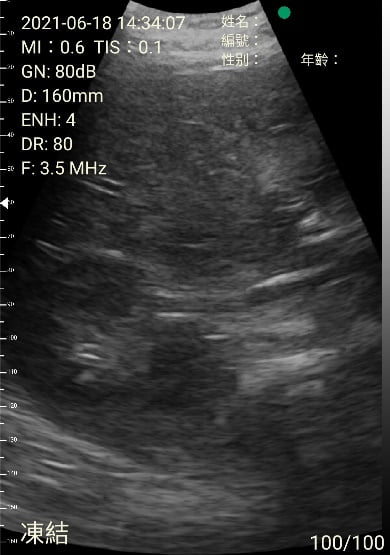
We subsequently utilized the Dual-Head Ultrasound from Wellue and subsequently discovered a renal stone within the right kidney.

Given a small clinic like ours, a portable ultrasound is important as it helps to save the space required for the storage. The rapid charging function also reduces the time required for us to charge prior to usage.

Pricing wise, it is way cheaper than other ultrasounds that I have seen which costs up to SGD $20,000.

The right kidney
The right kidney

How Pulse Oximeters relate to COVID19 and if it’s truly a must-buy

How Pulse Oximeters relate to COVID19 and if it’s truly a must-buy

Overview:

1. How Pulse Oximeters Work: Detection of Blood Oxygen Levels

2. Benefits and Pitfalls of Pulse Oximetry


The continuing battle with the global spread of the novel COVID-19 has emphasized and revitalized the vital role of innovative tools that could help detect symptoms before the clinical condition worsens. Thus, the COVID-19 pandemic has brought about an influx in demand for home monitoring tools, particularly pulse oximeters, since one of the clinical concerns with acquiring a COVID-19 infection is its respiratory effects. Respiratory function, specifically, oxygenation, can be impaired by severe COVID-19 infection. The virus damages the lung, thereby reducing oxygen intake capacity. With pulse oximetry, important data on respiratory parameters are reflected. It could monitor COVID-19 disease progression by measuring the oxygen saturation (SpO2) in a person’s blood.

How Pulse Oximeters Work: Detection of Blood Oxygen Levels

Although people infected with COVID-19 can manifest with varying symptoms, the most common initial symptoms observed in patients are fever, cough, fatigue, and myalgia. Symptoms are then classified as mild, moderate, and severe. Those with mild symptoms and are otherwise healthy are often sent home to manage their symptoms. Pulse oximeters can be useful for these patients. The home pulse oximetry readings can accurately reflect important clinical insight on respiratory deterioration. The blood oxygen level of a person infected with the novel coronavirus may be lower than average. This condition is known as hypoxia. The more severe the infection, the lower the oxygen saturation reading will be. Some patients unknowingly have decreased blood oxygen levels during the early stages of COVID-19. Their clinical status can immediately deteriorate, and they can eventually manifest with shortness of breath, which leads to higher mortality rates. Having a pulse oximeter can detect low blood oxygen levels before the onset of severe symptoms.  

A pulse oximeter like the Wellue OxySmart™ is designed as a clip that fits on a person’s fingertips or toes. The Wellue O2Ring™, on the other hand, is a ring-like device that the patient can wear. Both devices make use of light-emitting diodes (LEDs) and a light detector. When the oximeter is attached to the fingertip, the LEDs and the light detector capture blood flow from the small vessels. From this, the device can then measure the percentage of oxygen-carrying blood within seconds. The pulse oximeter also has a monitor that displays the SpO2 rate and a pulse wave, representing the pulse rate. It can be used to determine how much oxygen a patient needs and when they may need it.

Not only could pulse oximeters like Wellue OxySmart™ and O2Ring™ Continuous Ring Oximeter record SpO2, but it could also document the corresponding pulse rate, heart rate, perfusion index, and movements of a person. There is merit in knowing these health parameters, especially SpO2. The National Institutes of Health (NIH) recommends oxygen saturation levels of 92–96%. Anything below this range indicates a severe case of COVID-19 infection, which may require urgent hospitalization for immediate oxygen supplementation and critical care. It is where data collected from a Wellue OxySmart™ and O2 Ring™ Continuous Ring Oximeter can be life-saving.

The use of these devices by generally healthy people and patients diagnosed with mild COVID-19 symptoms cannot aid in establishing whether or not there is a need for them to be hospitalized. However, people can monitor their clinical status even in the comforts of their homes since these devices can instantly analyze the user’s condition.

Benefits and Pitfalls of Pulse Oximetry

Pulse oximeters are not foolproof. The method or technique of measurement can affect the oxygen saturation that will be recorded. Improper placement of these devices can inaccurately reflect oxygen levels in the blood. The best reading can be achieved with a strong pulsatile flow from the site of measurement, granted that the wearer has warm hands and is relaxed.

However, both Wellue OxySmart™ and Wellue O2 Ring™ Continuous Ring Oximeter are FDA-approved wearable electronic devices that can monitor oxygenation continuously, remotely, and noninvasively. The data is gathered in real-time. It is then seamlessly uploaded to a mobile, tablet, or computer app, which can be viewed by the wearer and conveniently shared with a health care provider. This feature will eliminate the need of the user to physically go to the hospital or clinic if it’s only for a check-up. With the data from these devices that they can easily muster, they now have the option to talk to health professionals through online consultations and still have an updated and monitored analysis of their current health condition. Doing so could mean having a smoother and easier online consultation experience. Home monitoring of blood oxygen levels can prevent premature and unnecessary visits to the emergency department and simultaneously optimize in‐person health care utilization. Especially during a pandemic, having an at-home device would be the best option to minimize the risk of getting infected.

Wellue O2 Ring™ Continuous Ring Oximeter allows wearers to capture their SpO2 levels overnight while they are sleeping. The ring vibrates to alert the wearer once their blood oxygen levels fall below the optimal range. This can be particularly helpful in monitoring oxygen saturation in COVID-19 patients while they sleep. Heart rate, respiratory rate, and overall sympathetic tone are decreased during sleep. COVID-19 patients who are already critical would not be able to tolerate a fall in sympathetic tone since this can further aggravate hypoxia. The ring oximeter readings can be used to assess oxygenation in patients under critical care. It can help detect early decompensation and subsequently allow healthcare professionals to deploy resuscitative measures.

All in all, pulse oximeter readings may not reveal the severity of the disease process, and patients should, therefore, always seek further medical evaluation if they are experiencing any COVID19 related symptoms. They should not solely rely on these devices to detect medical conditions such as COVID-19, COPD, pneumonia, asthma, and other disease entities with a failure in oxygen supply. Pulse oximeter devices are used mostly for conveniently monitoring the wearer’s current health condition. It is also a great tool to determine the consistency of their health, as well as a warning device that can help the patient be more conscious of their health insights.

References:

  1. Shenoy, N., Luchtel, R. & Gulani, P. Considerations for target oxygen saturation in COVID-19 patients: are we under-shooting?. BMC Med 18, 260 (2020). https://doi.org/10.1186/s12916-020-01735-2

  • Shah, S., Majmudar, K., Stein, A., Gupta, N., Suppes, S., Karamanis, M., … Patte, C. (2020). Novel use of home pulse oximetry monitoring in COVID‐19 patients discharged from the emergency department identifies need for hospitalization. Academic Emergency Medicine. doi:10.1111/acem.14053

What is COPD and How Can Pulse Oximeters Help with It?

What is COPD and How Can Pulse Oximeters Help with It?

Article overview

1. The respiratory system safeguards effective gas exchange
2. Oxygen is vital for normal body function
3. Different types of respiratory system illnesses
4. What is COPD?
5. The primary cause of COPD
6. COPD can lead to decreased oxygen saturation of the blood
7. Ways to measure oxygen in the blood

The levels of oxygen in the blood reflect the amount being carried by the red blood cells and are an indicator of how well our respiratory system is ensuring proper gas exchange. Our bodies have specific mechanisms that maintain the adequate concentrations of gases and substances needed for everyday life.

The respiratory system safeguards effective gas exchange

The respiratory system plays an important role in human physiology by preserving the efficient exchange of gas. When a person inhales, the air enters the nostrils and upper airways, where it is filtered and humidified. Water vapor is added to the inhaled air, and it is slowly channeled into the lower respiratory tract and into thin-walled sacs called alveoli.

The alveoli are located adjacent to tiny blood vessels called capillaries. It is the apposition of these structures that allow for the diffusion of gases between the thin-walled membranes. Oxygen from the inspired air is dispersed into the blood, while carbon dioxide is exchanged from the blood into the alveolar air. The dissolved oxygen in the blood then becomes distributed to the rest of the body.

Oxygen is vital for normal body function

One of the main functions of oxygen in the body is the production of energy derived from food breakdown in a process called cellular respiration. Food is composed of basic units known as carbohydrates, fats, and proteins. Energy is produced when the cell breaks down these basic food units with the help of oxygen-derived from the gas exchange system. The energy produced is usually stored in the chemical bonds of molecules called Adenosine Triphosphate or ATP and can be used to perform all types of work, from simple tasks like the involuntary digestion of food to more complex ones such as exercising or dancing.

blood oxygen level

Different types of respiratory system illnesses

Three main types of diseases can affect the respiratory system. The first type deals with diseases that can affect the airways and includes any form of obstruction. The second type involves those causing damage to lung tissue. Lastly, the third type includes those that alter circulation or the blood vessels that supply the lung.

Internationally, one of the common diseases affecting the lungs is Chronic Obstructive Pulmonary Disease (also known as COPD).

What is COPD?

COPD is characterized by persistent airflow reduction and presents with progressively worsening breathlessness, from the difficulty of breathing upon exertion to eventual shortness of breath even at rest. It is life-threatening and estimated to be largely underdiagnosed. Over 3.23 million people, or 5.8% of global deaths were attributed to COPD.

The disease develops slowly and usually becomes evident by 40 to 50 years of age. Along with breathlessness, other symptoms that may accompany the illness include chronic cough (a cough lasting more than eight weeks for adults) and excess production of sputum (the mucous secretion from the lower respiratory tract).

COPD can cause difficulty and disability in performing daily tasks such as going up a flight of stairs, carrying luggage, and even simple activities such as taking a bath. As the condition progresses, afflicted patients may experience short episodes of worsening symptoms or exacerbations, including increased breathlessness, coughing, and sputum production.

COPD

The primary cause of COPD

Among several risk factors causing this illness, tobacco smoke has been identified as the primary cause, including passive exposure or secondhand smoke. Other determinants that may influence the risk of acquiring COPD include air pollution (indoor and outdoor), occupational specks of dust and chemicals, and a history of frequent lower respiratory infections during childhood.

Previously, the disease was more common in men. However, recently, trends have shown that it now affects both males and females equally due to increased levels of smoking among women and the higher exposure to indoor air pollution such as that which may be inhaled during cooking and heating.

COPD is initially suspected in those presenting with the previously mentioned symptoms of cough, excess sputum production, and worsening breathlessness. A diagnostic breathing test called spirometry can be performed on suspected patients. It involves measuring how much and how quickly air can be exhaled in one forced breath.

COPD can lead to decreased oxygen saturation of the blood

Because of the reduction in airflow, patients with this condition often have lower than average oxygen saturation of the blood. For normal individuals, the average oxygen saturation should be at 95-100%. For patients with COPD, oxygen saturation falls to about 88-92%. 3 This is below “normal” but can be considered “acceptable” because of the presence of the condition.

With this being said, it is therefore essential to have oxygen levels regularly monitored. The amount of oxygen in the blood may be measured in two ways.

Ways to measure oxygen in the blood

First, oxygen may be measured with an arterial blood gas (ABG) determination. It is a test where blood is taken from an artery (usually at the wrist) rather than from a vein. Arteries are much more deep-seated than veins and more closely associated with nerves. Thus the ABG can be quite a painful procedure. However, it is most accurate and provides oxygen level measurement in partial pressure (PaO2).

Another less painful and more convenient method is using a device called the pulse oximeter like the Wellue O2Ring. It estimates the amount of oxygen in the blood by sending infrared light into the capillaries of the fingers, toes, or earlobes and measuring the amount reflected, which is proportional to the saturation of gases. Devices like the Wellue O2Ring can track the oxygen levels every second, and it has a Low Oxygen Alarm feature. This alarm would come in handy since it will vibrate when the oxygen level is low to call the user’s attention and notify them. Having this type of device can also record and create a detailed report and analysis of the wearer’s health insights. A pulse oximeter ring like the Wellue O2Ring can also provide maximum comfort that even while sleeping, they will have no problem using the said device. By the next day, the patient can check and monitor their health overnight through an app on their phone or through a computer.

References: